Late last year, I set myself the goal of finishing the first draft layout for Far Lands by the end of 2026. I have now realized that I was very,very over-cautious with my timeline!
So far, I’ve completed what I expected to be five months of work in one month. I’m almost halfway done getting all the text from the manuscript laid out and looking good on the page. And I’ve learned so much from the process! There’s a lot I could talk about when it comes to layout, writing, and game design that I’ve discovered from working in this form factor. But the biggest difference in my day-to-day life has come from what I’ve learned about overcoming perfectionism.
I won’t pretend this is will be applicable to everyone, or even anyone other than me! This is as much to keep myself accountable and to record what I’m learning for myself as it is for anything else. But if any of this resonates with anyone, I’ll consider that a wild success.
Perfectionism is the real enemy
Starting out, I had a lot of fear that I wasn’t going to be able to live up to my own expectations- that I wouldn’t be able to get it looking how I imagined in my head, that I would burn myself out trying to get it done and lose my excitement for the project, that it would prove impossible to translate onto the form factor I wanted. And this fear was stopping me from even starting, making it feel insurmountable to even think about getting started.
This is, it turns out, textbook perfectionism.
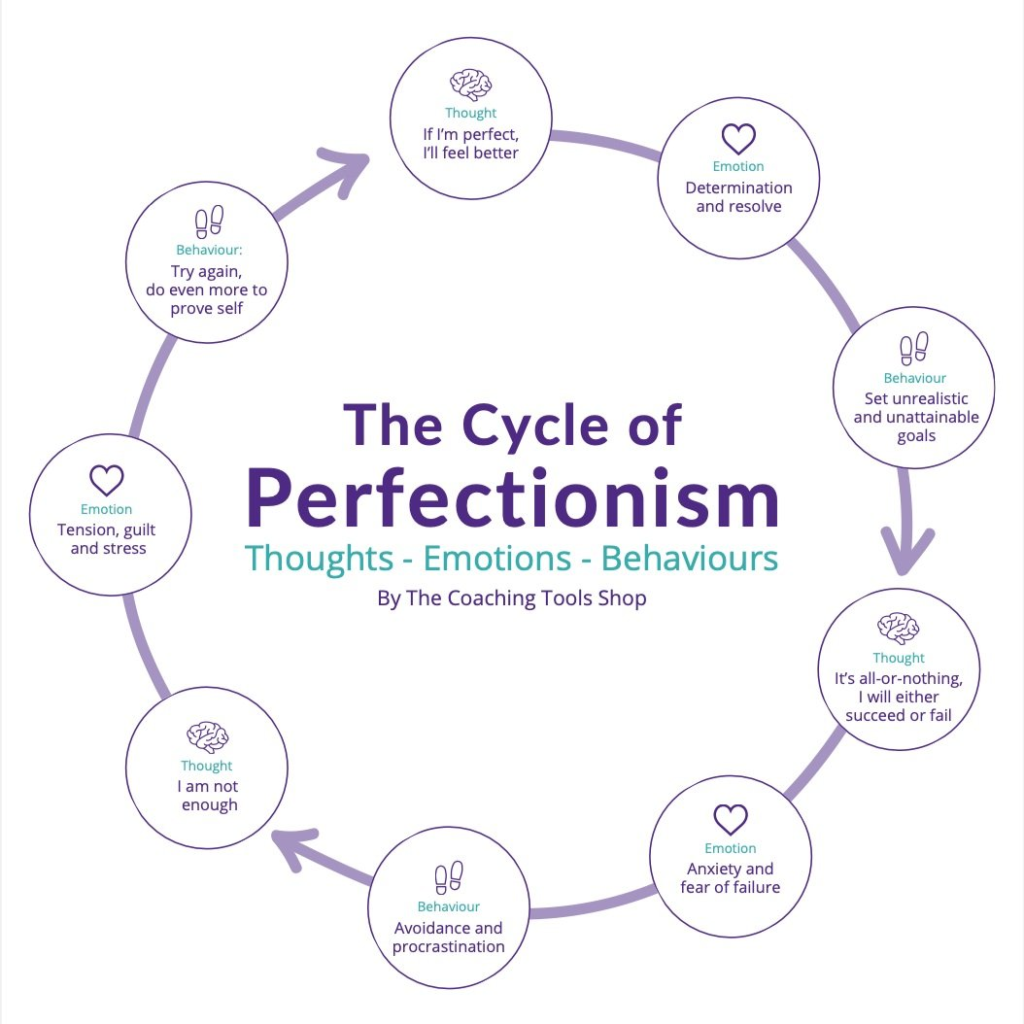
I didn’t even realize that this was perfectionism at all. It masqueraded itself as a genuine feeling that I didn’t know how to do this. But at the same time, I couldn’t bear to not be able to get it done.
So… how did I get here?
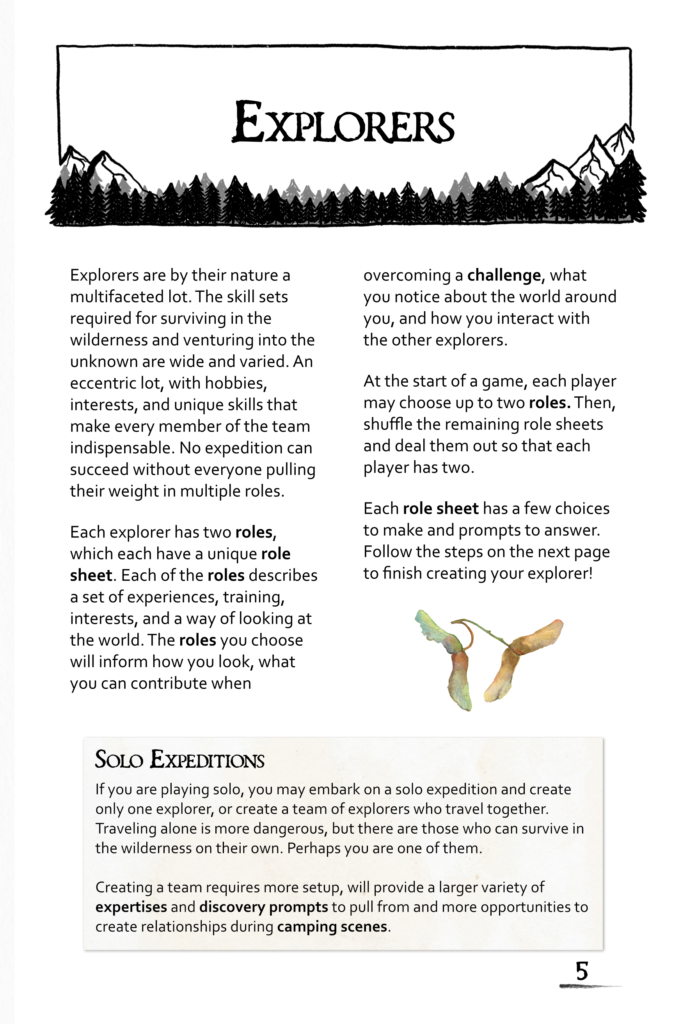
Step Zero
Doing some research, it seemed like one of the ways to break the nasty cycle of perfectionism was to change how I set goals.
For most of my life I held a great degree of skepticism for goal-setting. It seemed so easy to set a goal and so impossible to follow through. Goals seemed to just be a guaranteed source of shame and guilt looking back later. Everything I wanted to accomplish just seemed impossible. How would I even begin? What do I do when I get stuck?
So I’d given up on setting goals and would just… wing it. And a lot of the time that worked! But over time this method required more and more external support and I just kept getting stuck and burned out not knowing what to do all the time.
When I was approaching a big part of the project and didn’t know what to do, I would freeze- paralyzed because I didn’t know the next step. It turns out this comes from perfectionism. I felt like I couldn’t start until I know what I’m doing. Because I might mess it up. And thinking about this is when I unlocked the first part of the problem.
My process didn’t account for step zero
Step zero: Figure out what step one is
This idea came from the concept of “Session Zero” in running an RPG campaign, and it’s exactly the same idea. Before starting to do any work, spend some time dedicated to figuring out what work needs to happen first. Set expectations, outline the bounds of the work, choose tools, and so on.
This is now the first thing I do for every project. It feels obvious in hindsight, but before this some part of me always expected that I’d be able to sit down and intuitively know what needed to happen without planning because… sometimes I could do that, especially in the school system growing up when the steps are often much more clearly spelled out. But that was an unreasonable expectation for myself.
But…
I started using step zero. And it worked! At first, this made it easier to get started, but I still struggled to follow through. I would sit down, try to break off a piece, and then do that piece immediately. But it was so, so hard to see how that piece contributed to the final goal. The monolith still seemed infinite and impenetrable!
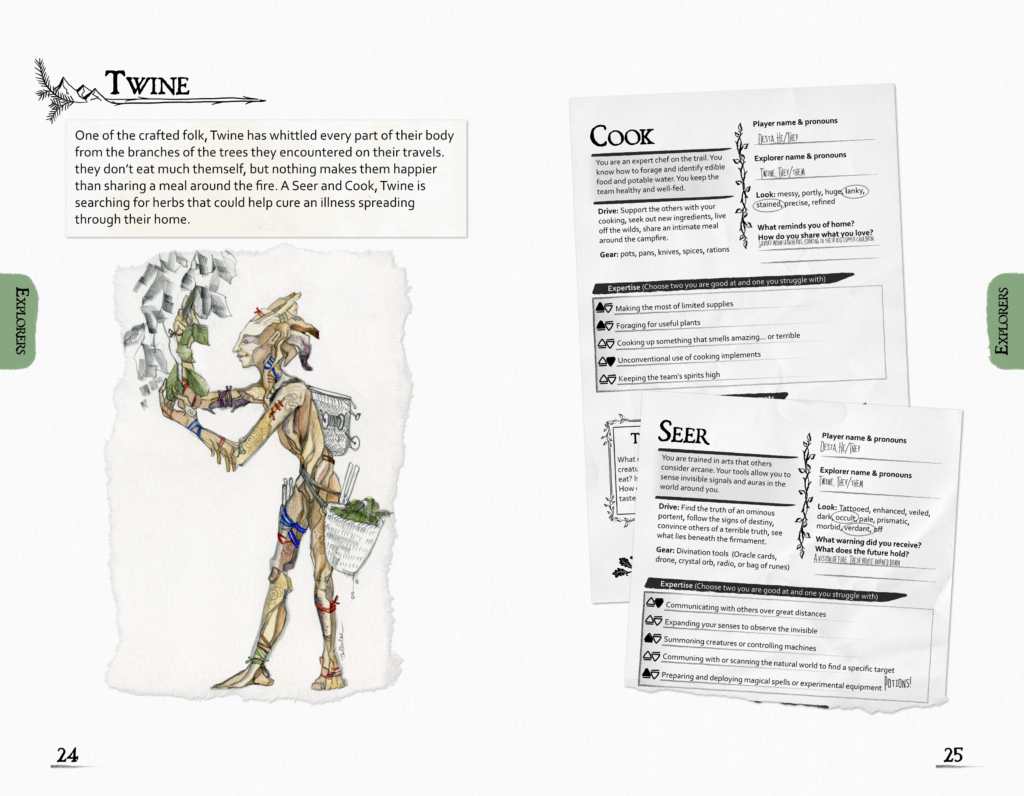
The monolith is made of bricks
So how do you go beyond just the first step?
My day job has been extolling the virtues of SMART goals for long enough that some of that sank in. I finally realized the problem: My goals were too big, and much too vague. I had no idea how to start doing layout for Far Lands, or any project of that size, because there’s no way to complete a big project in a single step. I need to break it down, and the pieces need to be small. Way smaller than I thought. And just one step at a time isn’t enough.
This dovetails with something else I learned about myself recently. Some tasks are “derailing,” others aren’t. A derailing task comes with opportunities to veer off onto something that seems more urgent… which means the original task will rarely get finished. Tasks like checking email or making a to-do list ballooned out of proportion because they came with all the spin-off tasks they spawned. And breaking down a large project was no different. This is why I only ever got as far as breaking off the first piece before I started trying to work on the project!

But if I go into a derailing task with the intention of just writing down all the little tasks, rather than jumping in to doing them right away, it suddenly becomes possible to complete the whole task.
So this time, I tried something different. I broke down the whole thing in one sitting instead of one piece at a time.Without any intention to actually do any of those pieces immediately.
Make a plan without trying to act on it immediately
This totally changed how I’ve been approaching my projects. When I finish a task, I know exactly what needs to happen next. Of course the plan changes over time, but there’s plenty of room for that. It’s completely different from how I’ve worked in the past and it’s unbelievably refreshing.
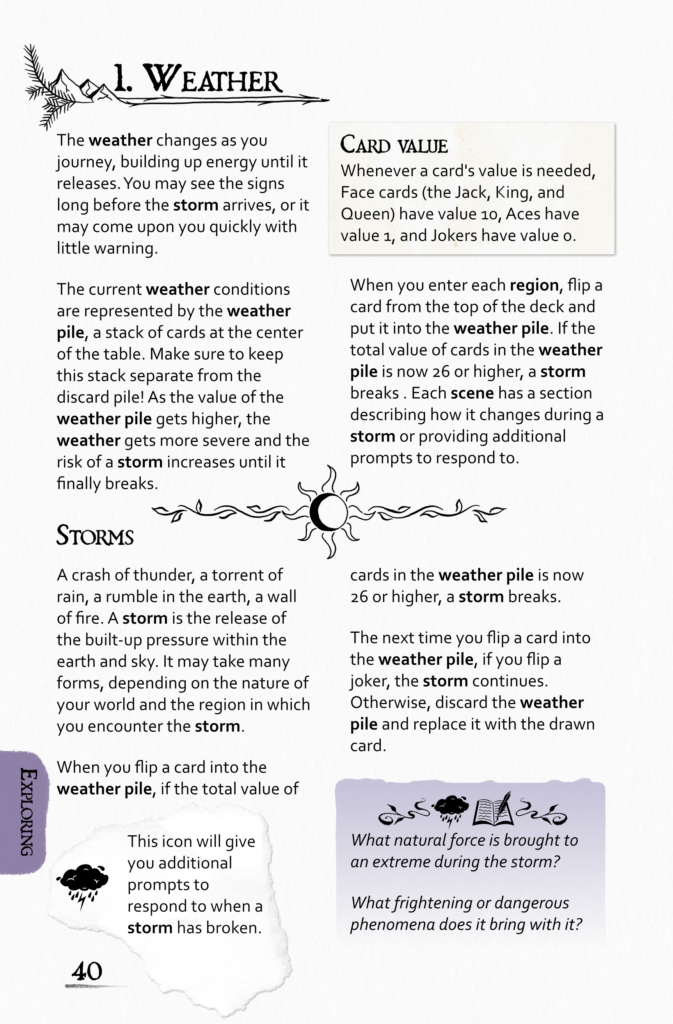
But how can you completely plan out a project without knowing what unexpected hurdles you’ll run into? Well… you can’t. But there are no consequences (in this case) for false starts and experiments. In fact, it will actually help refine the final product by allowing you to explore the space of what’s possible and learn tools and skills. Starting out with some low-stakes exploration helps refine the plan as you go.
Failure is actually part of learning. Who knew?
It feels obvious, but I feel like it’s finally sunk in for me that it’s ok for the first draft to be rough. In fact, it’s better that the first draft is rough because it’s going to need polishing anyway!
So I had my milestones, but how do I go about accomplishing them?
The bricks are made out of atoms
My secret so far has been to weaponize the same perfectionism that prevented me from getting started. Using an app for tracking habits, I made a daily task to “do a bit of layout.” My requirement is very, very small on purpose. Literally any small amount, even a single word, will let me check it off the list. But it bugs me if it’s left incomplete at the end of the day. I hate it.
And that’s something I want to be careful of. I don’t want to slip into feeling guilt or shame if I can’t keep it up every day I never want to feel like I’m falling behind some imaginary standard I set for myself. But as a weapon against avoidance, it’s worked. There must be a balance to strike, but if there is I’m still in the early stages of finding it.
Weaponize perfectionism against itself (carefully)
Activation Energy
There’s one more trick to this method. So often what stops me from doing something I want to do is just resistance to getting started. Gathering the activation energy required for task initiation. But committing to doing the minimum amount of work gets me to open the document. But often just opening the document is the biggest hurdle. Once that document is open, it’s easy to do just a bit of work.
And that’s enough. The very minimum is enough to check it off the list, and with that win comes the motivation. Once I’ve done a bit of work and had that first win, it’s easy to keep going because I remember that it’s fun. Or, when it’s not fun, I remember that it’s progress towards a long-term goal, which is at least satisfying. But it’s that tiny atom of a goal that gets the whole thing going. It primes the pump and gets the metaphorical creative juices flowing.
Prime the pump with an easy win
So what’s next?
It finally feels like this is something I can make real. And more than that, I feel capable of accomplishing that myself. And I’m way ahead of schedule! So where does that leave me?
For one thing, I’m not going to adjust the timeline. I’m going to keep checking things off the list as I get them done. Leaving myself a lot of time to work means I can account for changes in circumstances later. For one thing, I’ll be doing some travel in a few months that will affect my schedule. For another… it feels really good to be so ahead!
But the more practical consideration is that realistically speaking, none of the individual chapters of the book are actually done done. This method has helped me to leave the rough draft rough on the first pass. So once I finish putting everything on the page, that’s only the beginning.
There’s a lot more to be done. And I can’t wait.
Leave a Reply